Microsoft Ignite 2026

Microsoft Fabric & Power BI at Ignite 2026: Moving From Static Dashboards to Operational Intelligence

HT

Hajana Technologies News Team

November 20, 2026
5 min read
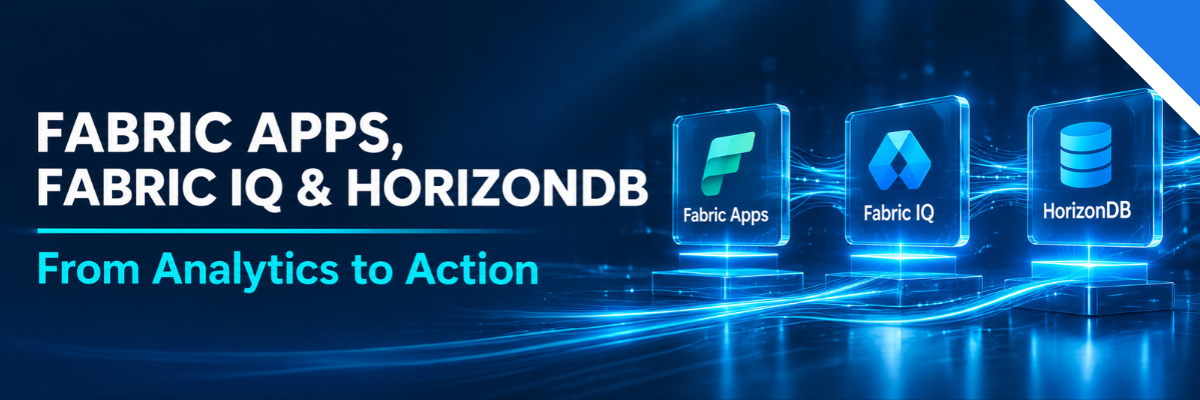
Banner titled 'Fabric Apps, Fabric IQ & HorizonDB: From Analytics to Action' displaying three glowing glass cards for Fabric Apps, Fabric IQ, and HorizonDB over blue data streams
While AI agents dominated the headlines at Microsoft Ignite 2026, the quiet breakthrough for data leaders happened one layer deeper - inside Microsoft Fabric and Power BI.
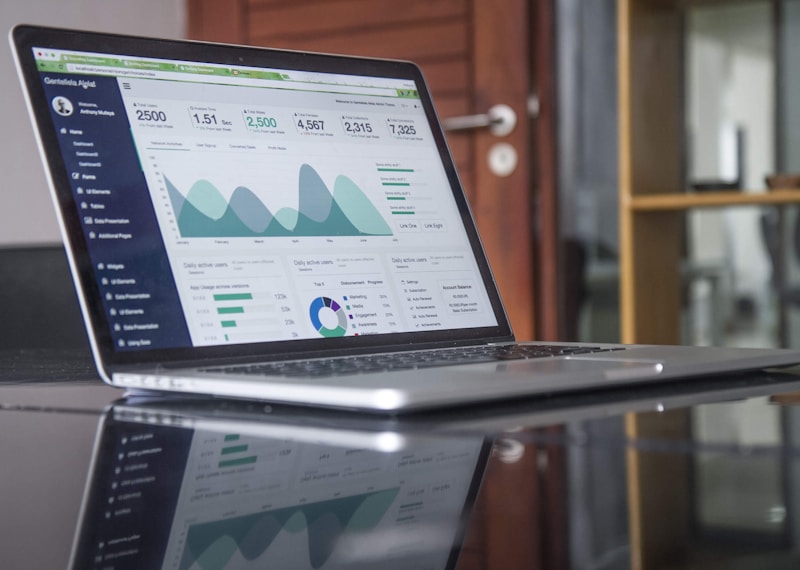
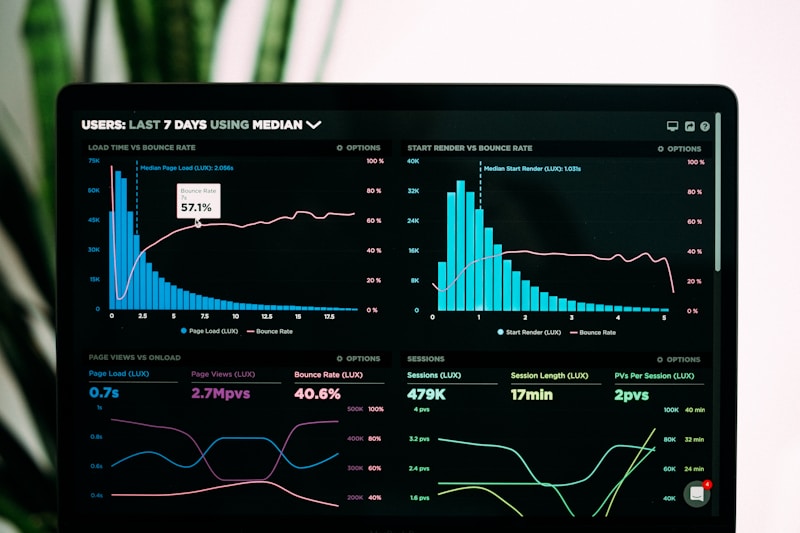
For years, mid-market business intelligence followed a frustrating pattern: analysts spent 80% of their week cleaning CSV exports, executives looked at backward-looking charts on Monday morning, and everyone still had to jump into three separate ERP or CRM screens to actually fix what the dashboard uncovered.
At Ignite 2026, Microsoft closed the gap between seeing data and acting on it. Here are the core Fabric and Power BI takeaways that matter most - and how mid-market teams can use them to outperform larger competitors.

Three Fabric & Power BI Shifts That Change the Game

1. Fabric Apps (Generally Available): Closing the "Read-Only" BI Loop

Historically, Power BI told you what happened, while separate low-code tools or spreadsheets handled data entry and approvals. With Fabric Apps now Generally Available, teams can build interactive, governed operational applications directly on top of OneLake and Power BI semantic models.
  • Why it matters: A regional manager or operations lead can spot a margin dip or inventory bottleneck inside a Power BI view and immediately submit an adjustment, flag an exception, or trigger an approval workflow - writing back cleanly to the underlying data estate without leaving the governed environment.

2. Fabric IQ & Semantic Modeling: Teaching AI Your Business Rules

Every organization defines metrics differently. What counts as "net recurring revenue," "on-time delivery," or "active pipeline" in your company rarely matches a generic template. Through Fabric IQ, Microsoft elevated Power BI semantic models and business ontologies into the primary source of truth for Copilot and enterprise AI agents.
  • Why it matters: When you invest in a disciplined semantic layer inside Power BI and Fabric, two things happen simultaneously: your human leadership gets one undisputed set of numbers, and your AI tools stop hallucinating definitions because they inherit your exact business logic.

3. Fabric HorizonDB & Unified Translytical Workloads (Preview)

With the preview of Fabric HorizonDB (bringing serverless, Fabric-native PostgreSQL into OneLake) alongside tighter real-time intelligence integrations, Microsoft is eliminating the traditional wall between transactional databases and analytical warehouses.
  • Why it matters: Mid-market IT teams no longer have to maintain fragile overnight ETL pipelines just to get near-real-time operational visibility. Operational apps, analytics, and AI models can share the same governed OneLake storage without constant data duplication.

Where Mid-Market BI Projects Succeed (and Where They Stall)

At Hajana Technologies, we work closely with mid-market organizations transitioning from legacy reporting and fragmented spreadsheets to Microsoft Fabric, Power BI, and enterprise knowledge intelligence architectures. Across dozens of deployments, the difference between a dashboard that sits unused and one that runs the business comes down to three engineering habits:
  1. Model the Business Before Designing the Visuals: A sleek Power BI layout cannot rescue a broken data model. We start by standardizing star-schema dimensions, KPI calculations, and row-level security so every department trusts the numbers from day one.
  2. Design for Decisions, Not Data Dumps: Executives don’t need 40 charts on a single canvas. High-impact Power BI environments surface exceptions, trend variances, and drill-through root causes in under ten seconds.
  3. Prepare the Semantic Layer for Copilot & Agents: By structuring clean metadata, synonyms, and business rules inside your Power BI semantic models today, your organization is immediately ready for Fabric IQ and conversational analytics tomorrow.

Ready to Turn Your Power BI & Fabric Stack Into a Growth Engine?

You don’t need a massive data engineering department to build a modern, AI-ready analytics foundation - you just need the right architecture from the start.
Whether you are migrating off legacy BI tools, unifying scattered ERP and CRM reporting into Microsoft Fabric, or preparing your data estate for AI agents, Hajana Technologies can help you map the fastest path to value through our Free AI & Data Readiness Audit.

Related Resources

Continue exploring our insights and case studies

Salesforce Health Score
Calculator

Salesforce Health Score

Discover how well your Salesforce is performing across data, automation, and reporting with our free assessment tool.

Try Calculator
Automation Savings Calculator
Calculator

Automation Savings Calculator

Discover the hidden cost of manual work and calculate how much you could save with AI automation.

Try Calculator
AI ROI Calculator
Calculator

AI ROI Calculator

Calculate how much money you're wasting on manual work and your potential savings with AI implementation.

Try Calculator
Microsoft Fabric & Power BI at Ignite 2026: Operational BI | Hajana Technologies