Introduction
Customer Relationship Management (CRM) has evolved far beyond simple contact databases and sales tracking tools. Today, artificial intelligence is reshaping how businesses understand, engage, and retain customers. Platforms like Salesforce are leading this transformation by embedding AI into every touchpoint of the customer journey. Organizations are now shifting from reactive customer management to predictive and automated engagement strategies that deliver hyper-personalized experiences.
Recent research highlights just how quickly this transformation is happening. AI adoption in enterprises has skyrocketed by 282%, showing how rapidly businesses are integrating intelligent systems into their workflows. Meanwhile, AI-driven recommendations and conversational tools influenced 20% of global purchases during a major shopping period, demonstrating real-world impact on customer engagement. These statistics reveal that AI-powered CRM is no longer experimental - it is becoming essential for growth and competitiveness.
In this article, we’ll explore how Salesforce and AI are redefining CRM, what businesses can expect in the coming years, and how companies can leverage these technologies to build stronger customer relationships.
Understanding Modern CRM Evolution
From Traditional CRM to Intelligent Platforms
CRM systems were originally designed to store customer information and help sales teams track interactions. Companies relied heavily on manual data entry, spreadsheets, and static dashboards. This approach worked when customer journeys were simple, but modern buyers interact across multiple channels - email, social media, live chat, and more. Traditional CRM platforms struggled to keep up with this complexity, leading to fragmented customer data and missed opportunities.
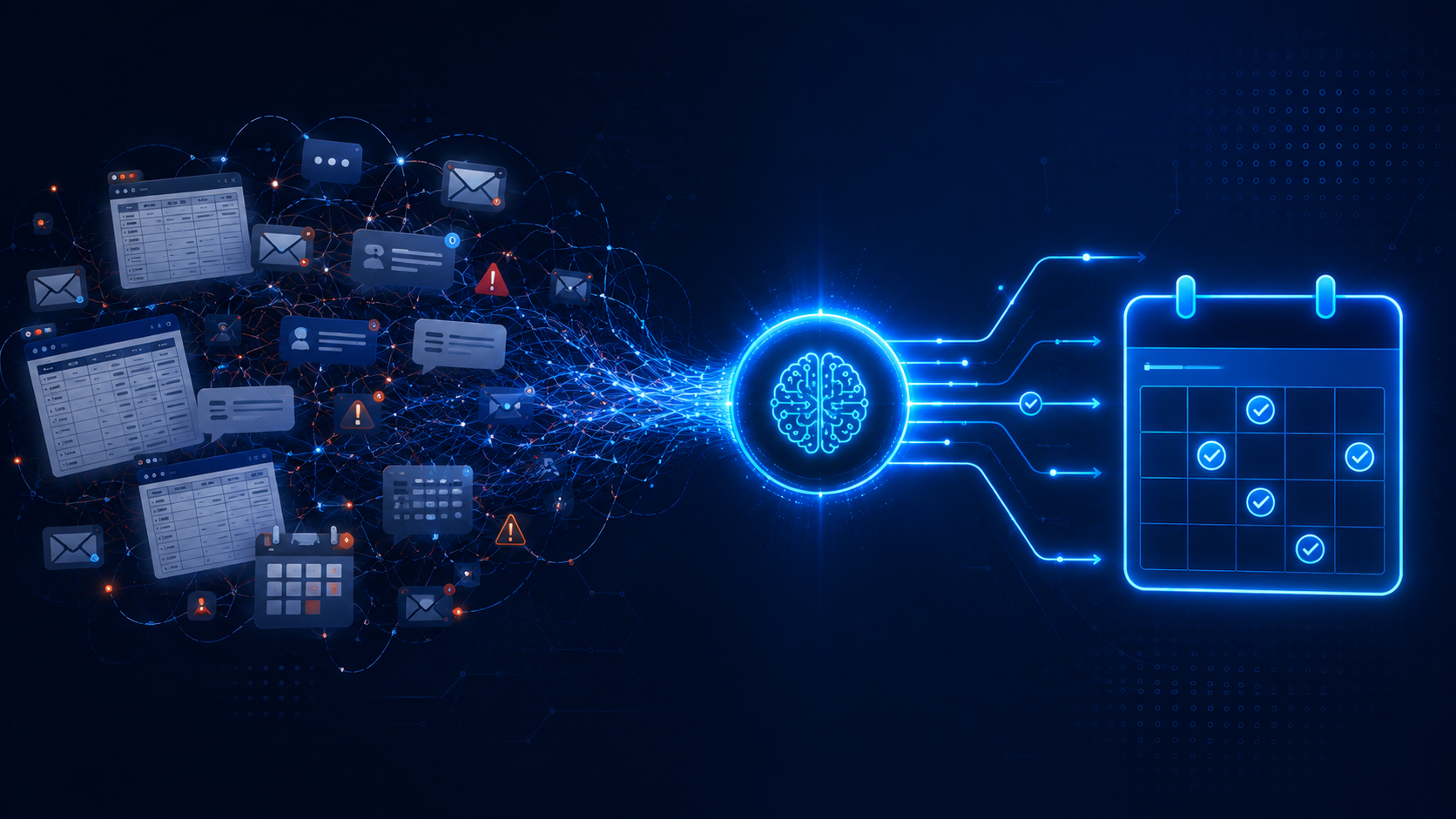
The introduction of artificial intelligence has changed this landscape dramatically. AI-enabled CRM systems analyze massive datasets in real time, identifying patterns that humans might overlook. Instead of just storing customer information, modern CRMs now predict behaviors, recommend actions, and automate workflows. Businesses no longer react to customer needs - they anticipate them. This shift is turning CRM from a passive database into an active decision-making engine.
Another key change is the integration of customer data across departments. Marketing, sales, and customer service teams can now access a unified view of each customer. This alignment improves collaboration and ensures consistent messaging. As a result, companies deliver more personalized experiences, which directly impacts customer loyalty and retention.
Why Businesses Need Smarter Customer Insights
Customers today expect personalized interactions. Generic emails and irrelevant offers often lead to disengagement. AI-powered CRM systems analyze customer behavior, purchase history, and engagement patterns to generate actionable insights. These insights help businesses tailor their communication and improve conversion rates.
The importance of data-driven insights is growing rapidly. According to research, 89% of data leaders believe organizations must modernize their data strategies for AI to deliver meaningful impact. This statistic highlights that intelligent CRM depends heavily on high-quality data. Without it, even the most advanced AI tools cannot deliver accurate recommendations.
Smarter insights also help businesses identify potential churn risks. AI models can detect warning signs such as reduced engagement or declining purchase frequency. Companies can then take proactive steps, like offering incentives or personalized outreach, to retain customers. This predictive approach strengthens long-term relationships and improves lifetime value.
Role of Artificial Intelligence in CRM

Predictive Analytics and Customer Behavior
Predictive analytics is one of the most transformative aspects of AI in CRM. Instead of analyzing past data only, AI algorithms forecast future customer actions. For example, AI can predict which leads are most likely to convert, which customers might churn, and which products will perform best. These predictions enable teams to prioritize their efforts effectively.
Sales teams benefit significantly from predictive insights. Rather than contacting every lead, they focus on high-potential prospects. Marketing teams use AI to optimize campaigns by targeting audiences with the highest engagement likelihood. Customer service teams anticipate issues before they escalate. This proactive approach improves efficiency across the organization.
Another advantage is dynamic segmentation. Traditional CRM systems rely on static customer segments. AI continuously updates segments based on behavior changes. For example, a customer browsing premium products might automatically move into a high-value segment. This real-time segmentation ensures that communication remains relevant and timely.
AI is not a replacement for a sales team; it is the ultimate force multiplier. By automating the 'search' and amplifying the 'find,' it allows professionals to focus on the human connection that actually closes deals.
Automation and Intelligent Workflows
Automation is another major benefit of AI-powered CRM. Routine tasks such as data entry, lead assignment, and follow-up reminders can be handled automatically. This reduces manual workload and allows employees to focus on strategic activities. Automation also improves accuracy, minimizing human errors.
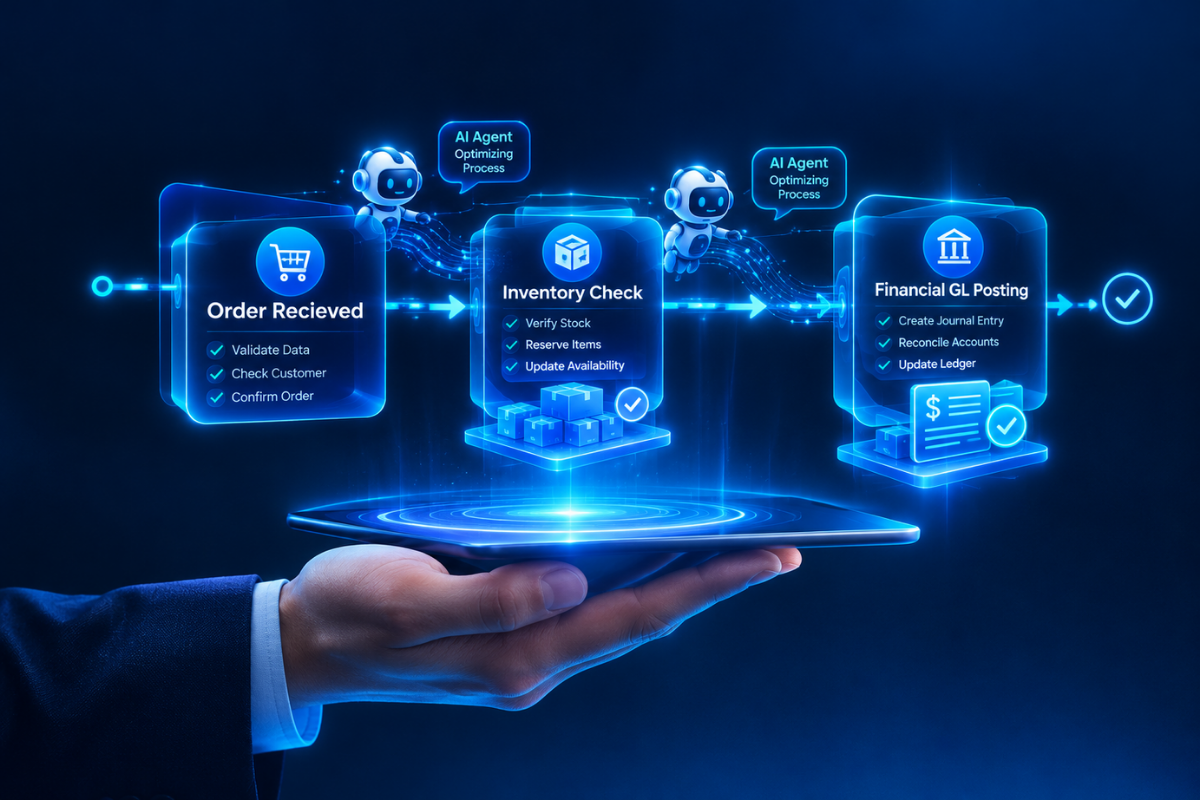
Intelligent workflows go beyond simple automation. AI analyzes performance metrics and optimizes workflows continuously. For example, if a certain email sequence generates higher conversions, the system automatically prioritizes it. Over time, CRM becomes smarter and more efficient.
AI-driven automation also enhances collaboration. Notifications, recommendations, and insights are shared across teams. This alignment ensures that marketing, sales, and service departments work toward common goals. Businesses become more agile and responsive to customer needs.
Salesforce as a Leader in AI-Powered CRM
Salesforce Einstein and AI Capabilities
Salesforce has been at the forefront of AI-powered CRM innovation. Its AI platform, Einstein, integrates predictive analytics, automation, and machine learning directly into CRM workflows. Businesses can leverage Einstein to score leads, forecast sales, and generate personalized recommendations. These capabilities extend across various sectors, as seen in how the Salesforce Nonprofit Cloud uses data to amplify organizational impact and donor engagement.
One of the key advantages of Salesforce AI is its deep integration with customer data. AI models analyze historical interactions, engagement metrics, and transaction data. This comprehensive analysis helps businesses understand customer preferences and predict future behavior. Sales teams receive actionable insights directly within their dashboards.
Salesforce also introduces AI-driven conversational tools. These tools assist customer service agents by suggesting responses, retrieving knowledge articles, and automating repetitive tasks. This improves response time and enhances customer satisfaction. Over time, AI becomes a trusted assistant for employees across departments.
Data Cloud and Unified Customer View
Data fragmentation has long been a challenge for CRM systems. Salesforce addresses this issue with Data Cloud, which unifies customer data from multiple sources. Businesses gain a 360-degree view of each customer, enabling more personalized engagement.
This unified view also improves analytics. AI models perform better when data is consistent and comprehensive. Companies can identify cross-selling opportunities, track customer journeys, and measure campaign effectiveness more accurately. The result is improved decision-making and better ROI.
Another advantage is scalability. As businesses grow, data volume increases significantly. Salesforce Data Cloud handles massive datasets efficiently, ensuring that AI continues to deliver accurate insights. This scalability makes Salesforce suitable for organizations of all sizes.
Hyper-Personalization in Customer Engagement
Real-Time Recommendations
AI-powered CRM systems deliver real-time recommendations based on customer behavior. For example, e-commerce platforms suggest products based on browsing history and preferences. These recommendations significantly impact purchasing decisions. Research shows that AI-driven suggestions influenced 20% of purchases during a major shopping period, highlighting their effectiveness.
Real-time recommendations also enhance cross-selling and upselling opportunities. Customers receive relevant suggestions at the right moment, increasing conversion rates. This approach improves revenue while maintaining a personalized experience.
Another benefit is dynamic content personalization. Emails, website content, and advertisements adapt based on user behavior. Customers feel understood and valued, which strengthens brand loyalty. Over time, hyper-personalization becomes a key differentiator for businesses.
Omnichannel Customer Experiences
Customers interact with brands across multiple channels. AI-powered CRM ensures consistent experiences across email, chat, social media, and phone. Salesforce integrates these channels into a unified platform, enabling seamless communication.
Omnichannel experiences improve customer satisfaction. For example, a customer who starts a conversation on social media can continue it via email without repeating information. AI tracks interactions and maintains context. This continuity enhances convenience and reduces frustration.
Businesses also gain better insights into customer journeys. AI analyzes interactions across channels to identify patterns and optimize engagement strategies. This holistic view helps companies deliver cohesive and personalized experiences.
Automation and AI Agents in CRM
Conversational AI and Chatbots
Conversational AI is transforming customer support. AI-powered chatbots handle common queries instantly, reducing wait times. These bots can also escalate complex issues to human agents when necessary. This hybrid approach balances efficiency and personalization.
AI chatbots learn continuously from interactions. Over time, they provide more accurate responses. Businesses benefit from reduced operational costs and improved customer satisfaction. Customers receive immediate assistance, which enhances their overall experience.
AI-Powered Sales Assistants
AI sales assistants help teams prioritize leads, schedule follow-ups, and track opportunities. These assistants analyze customer data and recommend next-best actions. Sales representatives can focus on building relationships rather than administrative tasks.
AI assistants also improve forecasting accuracy. By analyzing historical data and market trends, AI predicts revenue more accurately. This helps businesses plan resources effectively. Over time, AI becomes an essential partner for sales teams.
Benefits of AI-Driven CRM
Improved Sales Productivity
AI-powered CRM systems streamline workflows and reduce manual tasks. Sales teams spend more time engaging with customers. Predictive analytics helps them focus on high-value opportunities. This improves productivity and increases revenue.
Automation also reduces errors. Data entry and follow-ups are handled automatically. Teams operate more efficiently and consistently. This reliability improves overall performance.
Enhanced Customer Satisfaction
Personalized interactions improve customer satisfaction. AI ensures that communication is relevant and timely. Customers feel valued and understood. This strengthens relationships and increases loyalty.
Faster response times also enhance satisfaction. AI chatbots and automated workflows provide instant support. Customers receive assistance without delays. This convenience improves brand perception.
Challenges in AI CRM Adoption
Data Quality and Governance
AI relies heavily on data quality. Incomplete or inaccurate data leads to poor recommendations. Businesses must invest in data governance to ensure accuracy. Clean data improves AI performance and reliability.
Organizations also need robust data integration strategies. Disconnected systems create silos. Unified data improves insights and collaboration.
Ethical and Privacy Concerns
AI-powered CRM raises ethical and privacy concerns. Businesses must ensure responsible data usage. Transparency builds customer trust. Compliance with regulations is essential.
Companies should also address bias in AI models. Fair and unbiased recommendations improve credibility. Ethical AI adoption strengthens long-term relationships.
"Even the most advanced AI is only as good as the infrastructure it sits on. Without a structured approach to data, your CRM remains a digital filing cabinet rather than a growth engine."
Future Trends in Salesforce and AI CRM
Autonomous CRM Systems
Future CRM systems will become increasingly autonomous. AI will handle decision-making, automation, and optimization. Businesses will rely on intelligent systems for strategic insights. This shift will transform customer engagement.
Predictive Customer Journey Mapping
AI will map customer journeys more accurately. Businesses will anticipate needs and deliver proactive solutions. Predictive journeys improve personalization and satisfaction.
How Businesses Can Prepare for AI CRM
Data Strategy and Integration
Businesses should prioritize data quality and integration. Unified data improves AI performance. Organizations must invest in data infrastructure.
Training and Adoption
Employees need training to use AI tools effectively. Adoption ensures maximum value. Companies should encourage collaboration between teams.
Moving Beyond the Software
AI and Salesforce are transforming CRM into a predictive, intelligent, and automated platform. Businesses can now deliver personalized experiences, improve productivity, and strengthen customer relationships with unprecedented precision. However, technology is only one half of
the equation.
To truly capitalize on these innovations, organizations must move away from reactive sales models. Implementing a predictable pipeline is the essential next step for any business looking to turn AI-driven insights into consistent, scalable revenue. As AI adoption continues to grow, the companies that pair advanced CRM tools with a disciplined outreach strategy will be the ones that gain a permanent competitive advantage.
FAQs
What is AI-powered CRM?
AI-powered CRM uses artificial intelligence to analyze customer data, automate workflows, and deliver personalized experiences.
How does Salesforce use AI?
Salesforce integrates AI through tools like Einstein to provide predictive analytics, automation, and personalized recommendations.
What are the benefits of AI in CRM?
Benefits include improved productivity, personalized engagement, predictive insights, and enhanced customer satisfaction.
Is AI CRM suitable for small businesses?
Yes, AI-powered CRM solutions scale to different business sizes and help small businesses improve efficiency.
What is the future of CRM?
The future of CRM includes autonomous systems, predictive analytics, and hyper-personalized customer experiences.
Does AI replace the need for Salesforce Administrators?
Not at all. AI acts as an assistant. Admins are more critical than ever to ensure data quality, manage AI permissions, and interpret the insights that platforms like Salesforce Einstein generate.
Ready to Transform?
Meet with an expert and start your journey today.