The takeaway from the November 2026 outage is not to abandon the cloud, but to design for graceful degradation. When an upstream hyperscaler stumbles, resilient architectures bend rather than break.
1. Eliminate Single-Point-of-Failure Dependencies
If internal communications, document storage, identity authentication, and AI copilots all sit on one provider's backbone, a single misconfiguration halts operations. Enterprise architects must map critical workflows to identify where provider concentration creates unacceptable operational risk - a core focus of modern cloud infrastructure resilience planning.
2. Maintain Out-of-Band Fallback Channels
Ensure executive leadership, IT incident response teams, and frontline operations (such as logistics or customer support) have secondary, independent communication channels that do not share infrastructure with the primary productivity suite.
3. Architect Multi-Model & Decoupled AI Workflows
As organizations embed autonomous AI agents deeper into daily operations, those agents must be built on decoupled, standardized integration frameworks—such as the open Model Context Protocol (MCP) - rather than hard-coded dependencies on a single vendor's connector. If one data source becomes unreachable, agents should degrade gracefully or switch to cached/secondary data stores instead of crashing. 4. Enforce Rigorous Change Management & Chaos Testing
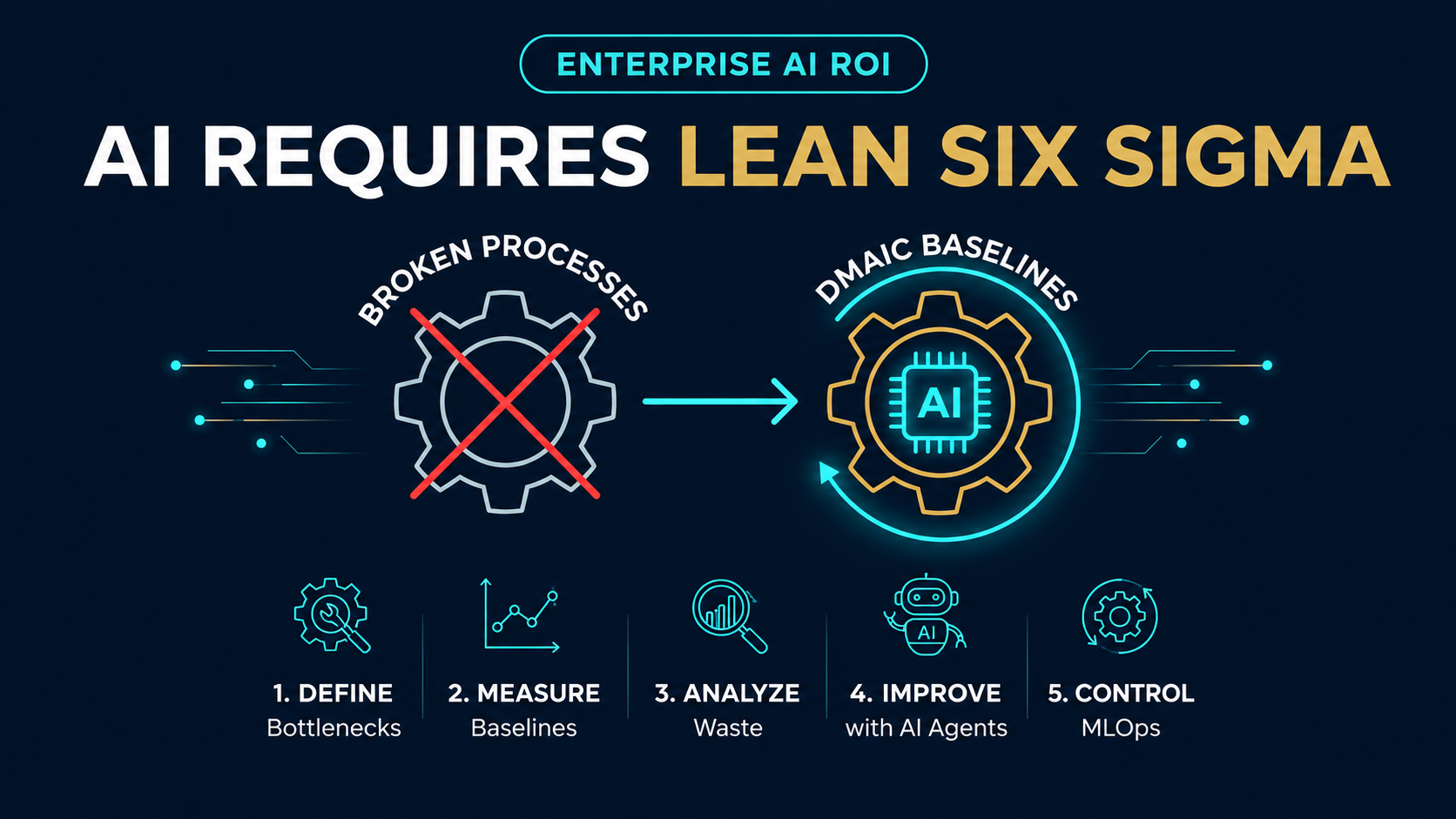
Just as Lean Six Sigma eliminates defects in manufacturing through strict process controls, enterprise IT teams must treat configuration changes with pre-deployment validation, automated rollback guardrails, and regular disaster-recovery simulations. Organizations looking to benchmark their infrastructure fault tolerance can consult enterprise architecture specialists for independent readiness reviews.